
Rwanda Safari Guides
Rwanda Beyond Gorillas: Birds, Wildlife and Community Experiences
Discover Rwanda beyond gorillas through forest birding, chimpanzee trekking in Nyungwe, wildlife safaris in Akagera and locally hosted community experiences. Learn how to combine these adventures with Lake Kivu for a varied, thoughtfully paced Rwanda safari.
Rwanda beyond gorillas offers forest birding, chimpanzee trekking, savannah wildlife and opportunities to learn from local communities. Mountain gorillas may inspire your first visit, but they are only one part of a country whose landscapes range from volcanic mountains to rainforest, wetlands and lakeshores.
A more varied safari gives each environment time to reveal itself. You might spend a morning listening for forest birds in Nyungwe, explore Akagera’s open landscapes by vehicle, then meet local hosts who share their knowledge of farming, coffee or traditional crafts.
At Phenom Tours and Travel, our safari focus connects birding, primates, wildlife and community experiences. This guide explains where to go, what to include and how to plan a journey that suits your interests.
Start by exploring our Rwanda and East Africa destinations.
Why Explore Rwanda Beyond Gorillas?
Adding different destinations changes the character of your holiday. Instead of travelling mainly for one encounter, you experience several habitats and gain a broader understanding of the country.
Volcanoes National Park introduces mountain forests and primates. Nyungwe adds forest trails, chimpanzees and specialist birding. Akagera offers savannah wildlife and lakes, while Lake Kivu provides a place to slow down between active days.
Community visits bring another perspective. They create space for conversation and learning, helping you understand the lives and skills behind the landscapes you travel through.
You do not need to include every destination. A successful safari balances your priorities with the time available.
Birding in Rwanda: Forests, Wetlands and Savannah
Birding deserves its own place in a Rwanda itinerary. Nyungwe and Akagera are particularly useful together because their contrasting habitats create different opportunities for observation.
For beginners, a guide can make unfamiliar calls, shapes and movements easier to interpret. Experienced birdwatchers should share their target species before booking so the route and guiding arrangements reflect their interests.
The official Visit Rwanda birdwatching guide provides background on the country’s birding destinations.
Forest Birding in Nyungwe National Park
Nyungwe is an important destination for forest birding, including birds associated with the Albertine Rift. Watching birds here requires patience: dense vegetation can conceal a bird even when its call sounds close.
A productive outing involves more than walking a trail. Your guide listens, identifies promising areas and allows time for birds to move into view. Carry binoculars, protect your equipment from rain and avoid planning the morning around a fixed number of sightings.
If birding is a main interest, reserve a dedicated excursion. A chimpanzee trek follows the movements of chimpanzees, so it cannot provide the same focus as a specialist birding walk.
Birdwatching in Akagera National Park
Akagera’s savannah, woodland, lakes and wetlands complement Nyungwe’s forest environment. Birdwatching can form part of a wildlife drive, although a dedicated birding outing allows more time for identification and observation.
This combination works well for couples or groups with different interests. Some travellers may concentrate on birds while others enjoy large mammals, scenery and photography.
Share these interests with your guide at the beginning of the safari so the pace works for everyone.
Primate Experiences Beyond Gorilla Trekking
Gorillas are not Rwanda’s only primates. Adding chimpanzee or golden monkey tracking creates a more varied forest experience.
Each activity has a different rhythm. Chimpanzees may move quickly through the forest, while golden monkey tracking introduces another setting and behaviour. Plan them as separate experiences rather than expecting one to replace another.
Chimpanzee Trekking in Nyungwe
Chimpanzee tracking combines forest walking with the search for a mobile primate community. The experience can involve uneven terrain, changing weather and periods of listening before the animals come into view.
Choose accommodation with the confirmed meeting point in mind. Ask about the briefing arrangements, breakfast and packed refreshments before your trekking day.
Nyungwe also offers a canopy walkway, hiking trails and colobus monkey tracking. Check the official Nyungwe activities page when deciding which experiences to include.
Golden Monkey Tracking in Volcanoes National Park
Golden monkey tracking can complement a gorilla trek for visitors who want additional time exploring Volcanoes National Park.
Scheduling separate activity days gives you more flexibility and reduces the pressure to rush from one experience to another.
Our 4-Day Rwanda Gorilla, Golden Monkey and Lake Kivu Safari offers a starting point for combining primates with a lakeside stay. For general background, consult Visit Rwanda’s primate tracking information.
Akagera: A Different Side of a Rwanda Safari
Akagera adds open landscapes and vehicle-based wildlife viewing to an itinerary built around forests.
Rather than visiting only to complete an animal checklist, allow time to appreciate the park’s different habitats. Wildlife drives also create opportunities to watch behaviour, notice birds and enjoy the changing scenery.
Staying overnight gives you more flexibility than a brief visit. It allows additional wildlife viewing time without requiring a return journey to Kigali the same day.
Explore Lake Ihema by Boat
A boat excursion on Lake Ihema provides a different viewpoint from a game drive. It adds variety to your safari and offers opportunities for wildlife observation and birdwatching from the water.
Confirm the departure time and meeting point before arranging the rest of your day.
Explore our 3-Day Akagera Wildlife and Big Five Safari for a dedicated wildlife extension. You can also combine primates and savannah on our 5-Day Rwanda Gorilla Trekking and Akagera Wildlife Safari.
Community Experiences That Add Meaning to Your Journey
A community experience works best when it gives local hosts a clear role in shaping the visit. Choose an activity because you want to learn, and allow time for conversation rather than treating it as a quick stop.
Around Akagera, community-guided experiences include dairy farming, honey production and banana-beer making. The park describes arrangements in which revenue is shared with participating community members.
Its official visitor information explains these cultural activities alongside wildlife drives and Lake Ihema boat excursions.
When planning a community visit:
- Confirm what the activity includes and who will host it.
- Ask permission before photographing people.
- Respect instructions about homes, workshops and private spaces.
- Buy directly from local makers when you find something you value.
- Avoid promising donations or assistance you cannot provide.
Community activities should be arranged in advance. This gives hosts time to prepare and helps you understand the purpose and price of the visit.
Lake Kivu: Rest, Scenery and Coffee Experiences
Lake Kivu provides a useful pause between more active safari days. A lakeside stay can suit travellers who want time to relax after trekking, enjoy the scenery or avoid moving accommodation every night.
Choose your overnight location according to the wider route. A lakeside property that looks attractive in photographs may create an unnecessary detour if it does not fit your next destination.
Learn About Rwandan Coffee
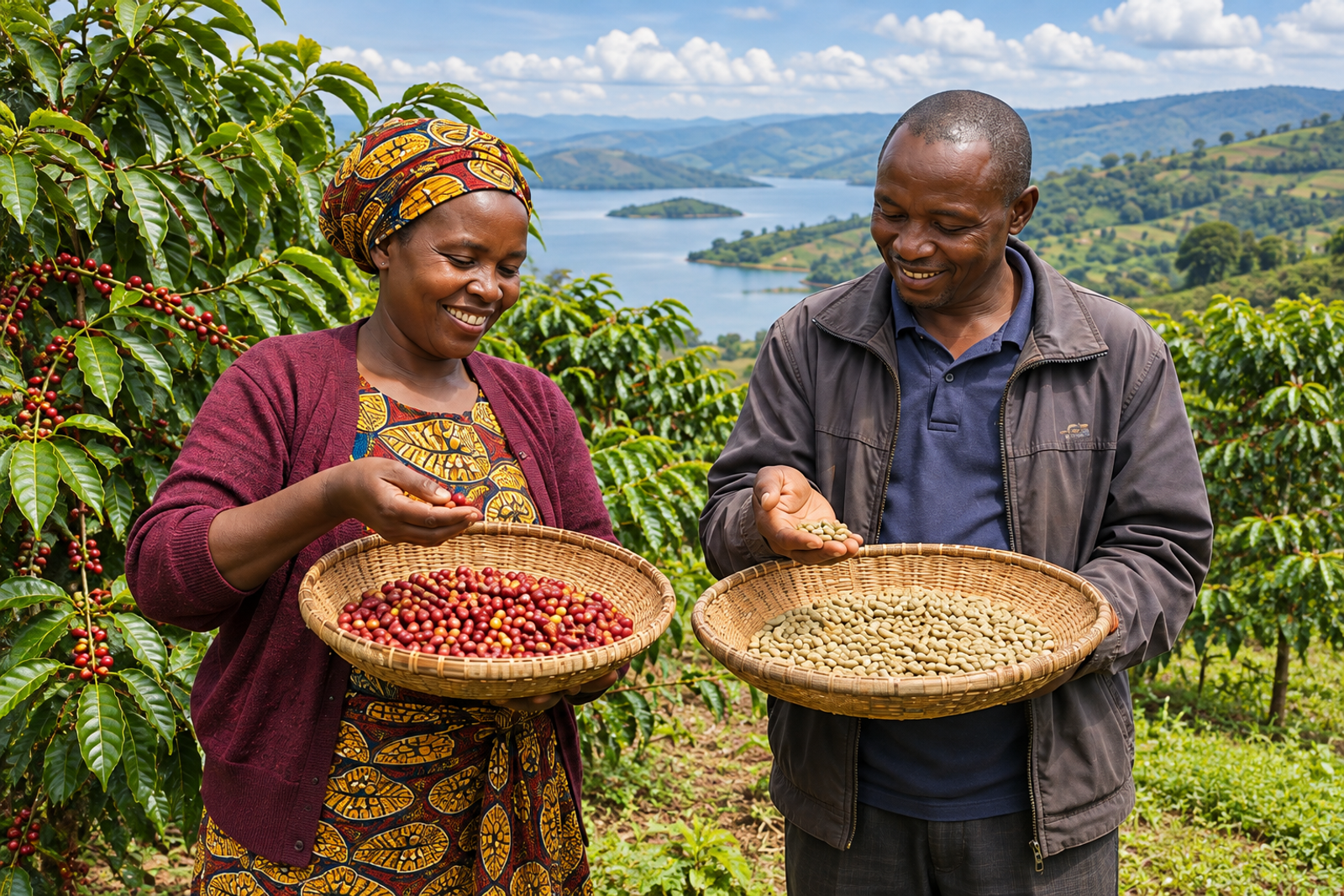
Some coffee cooperatives and washing stations offer arranged visits that explain growing and processing. These experiences can introduce you to the work behind a familiar product while adding another local perspective to your journey.
The activities you see depend on the season. Ask whether the visit includes fields, processing demonstrations, tasting or a combination.
The official Visit Rwanda coffee guide explains several places associated with coffee tourism around Lake Kivu.
How Many Days Should You Allow?
The right duration depends on how many destinations you want to include and how much time you want for activities.
As a planning recommendation, consider the following:
Time available
Suggested approach
3–4 days
Focus on one region or a short combination of nearby experiences.
5–7 days
Select two main regions, with realistic time for transfers and activities.
8–10 days
Consider a broader route connecting forests, wildlife and a lakeside stay.
11 days or more
Add dedicated birding, community visits and additional nights in priority destinations.
These are planning suggestions, not fixed itinerary rules. Confirm your arrival and departure times before deciding how many destinations are practical.
Although our 6-Day Ultimate Rwanda Gorilla, Chimpanzee and Wildlife Safari connects several highlights, travellers seeking specialist birding or a gentler pace should consider extending their stay.
A Suggested Rwanda Beyond Gorillas Route
For travellers who want a broad introduction, the following sequence can form the basis of a customised journey. Overnight locations and activity dates should be confirmed around permits, accommodation and travel arrangements.
Day 1: Arrive in Kigali
Settle into your accommodation and allow time to recover from your journey. Include a city activity only if your arrival time makes it comfortable.
Day 2: Travel to Akagera
Transfer to the Akagera area and begin exploring according to your arrival time and confirmed arrangements.
Day 3: Explore Akagera
Allow time for wildlife viewing and birdwatching. Add a Lake Ihema boat excursion if booked.
Day 4: Travel Towards Volcanoes National Park
Treat this mainly as a transfer day. Avoid adding a demanding activity before checking the complete driving schedule.
Day 5: Gorilla Trekking or an Alternative Activity
Include gorilla trekking if it is part of your confirmed booking. Travellers choosing a safari without gorillas can discuss other guided activities.
Day 6: Golden Monkeys or a Community Experience
Choose an additional activity that matches your interests and energy. Keep the afternoon flexible where possible.
Day 7: Continue to Lake Kivu
Take time to enjoy the lakeside setting. Include a coffee experience only where its location and availability fit the route.
Day 8: Travel to Nyungwe
Continue towards Nyungwe and prepare for your confirmed forest activities.
Day 9: Chimpanzee Trekking
Set aside the day around your trekking arrangements. Leave time to rest afterwards.
Day 10: Dedicated Birding or a Forest Activity
Choose a guided birding outing, canopy walk or another suitable activity. An additional overnight may be preferable to a rushed departure.
Departure or Extension
Arrange your return transfer around your flight time. Add a final overnight when needed rather than assuming every activity connects comfortably with an international departure.
Budget, Midrange or Luxury: What Changes?
Accommodation level influences the cost of a safari, but it is only one part of the quotation.
A budget itinerary may use simpler accommodation and fewer paid activities. Midrange travel can balance comfort, location and cost. Luxury arrangements may include higher-category properties and additional services.
However, changing accommodation does not automatically reduce permit or park charges.
Compare quotations using the same details:
- Number of travellers and room-sharing arrangements.
- Named accommodation and meal plan.
- Vehicle and guiding arrangements.
- Permits and park entry.
- Included activities.
- Transfers and number of nights.
- Exclusions and payment conditions.
Do not compare only the headline price. A lower quotation may exclude an activity or permit that another operator includes.
What to Pack for a Varied Rwanda Safari
Pack for both forest activities and time outdoors in more open environments.
Useful items include comfortable walking footwear, a waterproof layer, lightweight clothing, a warmer layer, sun protection and a small day bag. Birdwatchers should bring binoculars, while photographers should carry spare batteries and weather protection for their equipment.
Ask for activity-specific advice before travelling. Clothing and equipment suitable for a relaxed lakeside afternoon may not suit a wet forest trek.
Plan Your Rwanda Safari with Phenom Tours and Travel
A varied Rwanda journey brings together different interests without making every day feel rushed. You can focus on birding, combine several primate experiences, explore Akagera’s wildlife or create more time for locally hosted visits.
Browse our safari tour packages, then contact Phenom Tours and Travel with your travel dates, number of guests, accommodation preference and main interests.
We can help shape a route around birding, primates, wildlife and community experiences, with a confirmed quotation explaining what your journey includes.
Frequently Asked Questions About Rwanda Beyond Gorillas
What does “Rwanda beyond gorillas” mean?
It means exploring experiences in addition to gorilla trekking, such as birding, chimpanzee tracking, savannah wildlife, coffee visits and community activities.
Is Rwanda worth visiting without gorilla trekking?
Yes. An itinerary can focus on Nyungwe, Akagera, Lake Kivu and locally hosted experiences without including a gorilla permit.
Can I combine gorillas with other wildlife experiences?
Yes. A common approach combines Volcanoes National Park with Akagera. Adding Nyungwe creates a broader forest and wildlife journey.
Where should I go birding in Rwanda?
Nyungwe and Akagera are strong starting points because they offer contrasting forest, savannah and wetland habitats.
Is Rwanda birding suitable for beginners?
Yes. Tell your guide your experience level so the outing can focus on observation and learning at a comfortable pace.
Do experienced birders need a specialist itinerary?
A specialist itinerary is advisable when target species matter. Share your interests before booking so guiding and time allocation suit your goals.
Can I combine birding with chimpanzee trekking?
Yes, but reserve separate activity time. Chimpanzee tracking follows the primates rather than a birdwatching route.
Where can I track chimpanzees in Rwanda?
Nyungwe National Park offers organised chimpanzee tracking. Confirm the meeting point and arrangements when booking.
Are chimpanzee sightings guaranteed?
No wildlife sighting should be treated as guaranteed. Animal movements and conditions influence the experience.
Does chimpanzee tracking require fitness?
It can involve uneven forest terrain. Discuss your mobility and walking ability before confirming the activity.
What other activities can I do in Nyungwe?
Options include birding, hiking, the canopy walkway and colobus monkey tracking, subject to availability and booking arrangements.
Is the canopy walk included with chimpanzee trekking?
Do not assume so. Ask for each activity to appear separately in your quotation and itinerary.
Where can I track golden monkeys?
Golden monkey tracking is available in Volcanoes National Park. Confirm permits and the activity date before finalising accommodation.
Can I do gorilla and golden monkey tracking on separate days?
Yes. Separate days generally provide a more manageable schedule and time to recover between activities.
Can I visit Volcanoes National Park without trekking gorillas?
Yes. Discuss alternative activities in and around the area when designing your itinerary.
What does Akagera add to a Rwanda safari?
It adds savannah landscapes, wildlife drives, wetland birding and opportunities for a Lake Ihema boat excursion.
Can I visit Akagera on a short safari?
Yes. A focused Akagera trip can suit travellers with limited time, while overnight stays allow more flexibility.
Why stay overnight near or inside Akagera?
It creates more time for activities and reduces the pressure to complete everything before returning to Kigali.
Can I take a boat trip in Akagera?
Yes. Lake Ihema boat excursions are offered. Confirm your place and departure arrangements in advance.
Are boat excursions automatically included in safari prices?
No. Check your quotation rather than assuming every advertised activity forms part of the package.
Can birdwatchers and wildlife enthusiasts travel together?
Yes. A flexible guide can balance interests, particularly when the group agrees on priorities before each outing.
What community experiences can I include?
Possible activities include locally hosted farming, honey production, coffee and cultural experiences, depending on the destination and arrangements.
How do I choose a responsible community visit?
Choose clearly explained activities with willing local hosts. Ask how the visit operates and how participating people benefit.
May I photograph people during community visits?
Ask permission first. Respect a refusal and any guidance about photographing homes, children or private activities.
Can I buy locally made products during the safari?
Where appropriate, buying directly from makers can be a useful way to support their work. Purchases should remain voluntary.
Why include Lake Kivu?
It provides a change of pace and a lakeside setting between more active destinations.
Can I include a coffee experience near Lake Kivu?
Yes, where a suitable visit can be arranged. Confirm the location and what is available during your travel dates.
Will I see coffee harvesting on every coffee tour?
No. Harvesting and processing depend on the season and the host’s operations.
How many days do I need for a varied Rwanda safari?
Around eight to ten days can provide a useful starting point for planning several regions. More time allows a gentler pace and specialist activities.
Is a six-day multi-park safari possible?
Yes, but it can be busy. Review the transfers carefully and consider extending if dedicated birding or rest time is important.
Can I customise the suggested route?
Yes. The route should reflect your interests, flight arrangements, fitness and confirmed activity availability.
Can I book a private Rwanda safari?
A private itinerary can be requested. Ask the quotation to specify the vehicle, guide and activities reserved for your party.
Can a budget safari include primate trekking?
Yes, although permits and other fixed activity costs still apply. Simpler accommodation does not remove those charges.
What should a midrange quotation include?
It should clearly identify accommodation, meals, transport, guiding, permits, activities and exclusions.
Does luxury accommodation guarantee better wildlife sightings?
No. Accommodation comfort and wildlife sightings are separate considerations.
Should I book permits before finalising the trip?
Coordinate permits, accommodation and transport together. Avoid confirming a route around an activity whose availability has not been checked.
What should I bring for birdwatching?
Bring binoculars, suitable clothing, rain protection and any personal birding equipment you prefer.
Can I travel with photography as my main interest?
Yes. Explain your subjects and equipment needs so the itinerary allows enough time and suitable transport arrangements.
Should I plan an activity on my international departure day?
Only when the timing is realistic. A buffer or final overnight may be more practical after a distant destination.
How do I request a Rwanda safari quotation?
Use our contact page and share your dates, party size, accommodation preference and interests in birding, primates, wildlife or community experiences.