
Tanzania Safari Planning
How to Plan a Budget Tanzania Safari: Routes, Stays and Booking Tips
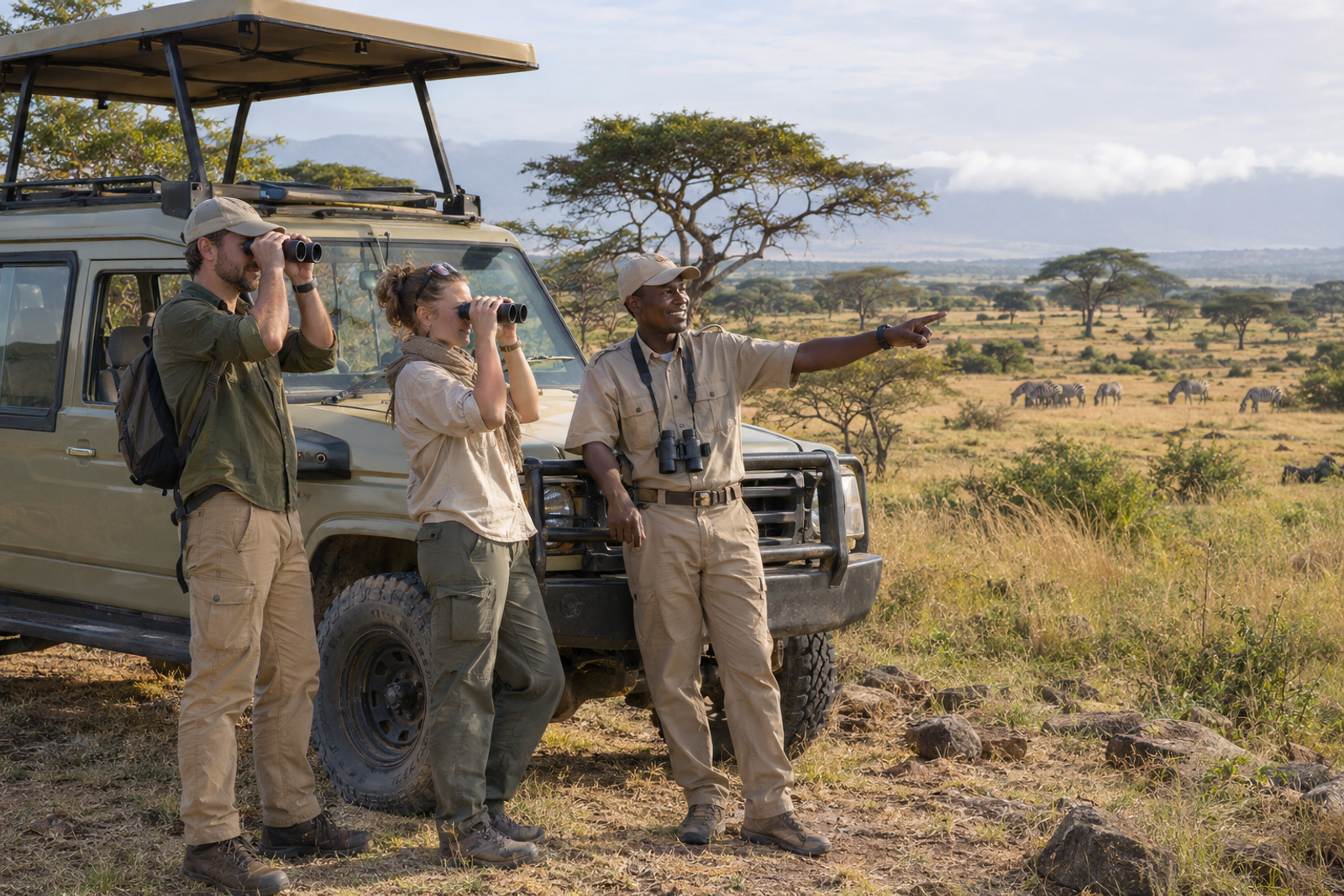
A budget Tanzania safari starts with thoughtful planning. Learn how to choose a realistic route, compare camping and lodge options, understand safari quotations and make room for wildlife, birdwatching and community experiences.
Start With the Experience You Want
Planning a budget Tanzania safari begins with deciding what matters most to you. Perhaps you dream of exploring the Serengeti, watching elephants in Tarangire or combining wildlife drives with birdwatching and local experiences.
Your priorities help determine where to spend your money. A traveller focused on photography may value extra nights in one park, while a family might prefer shorter driving days and accommodation with private bathrooms.
Before requesting a quotation, share your travel dates, group size, preferred accommodation and approximate budget. Explain whether that budget covers the safari alone or also includes flights and other travel expenses.
You can begin by browsing the available safari tour packages, then request adjustments around your interests.
Choose a Route That Fits Your Time
Adding more destinations does not always improve a safari. Each transfer takes time, and a crowded itinerary can leave you with fewer hours to enjoy the places you came to see.
For a short northern Tanzania trip, discuss a focused route using Arusha as your starting point. If the Serengeti is essential, allow enough time for the journey and meaningful exploration once you arrive.
These examples provide a starting point for discussion:
Available time
Route to discuss
Planning consideration
3–4 days
Tarangire, Karatu and Ngorongoro
Keep the route compact
5–6 days
Tarangire, Serengeti and Ngorongoro
Allow for substantial transfer days
7–8 days
A slower northern circuit
Add nights where your interests are strongest
Arrival and departure arrangements may require additional nights. Ask for a daily schedule showing travel time, activities and overnight locations before confirming.
Compare Camping and Budget Lodges
Camping can help control accommodation costs, particularly on shared departures. However, the word “camping” can describe very different arrangements.
Ask whether your package includes:
- A tent, mattress, sleeping bag and pillow.
- A safari cook and all scheduled meals.
- Campsite charges.
- Shared toilets and showers.
- Help setting up and packing away equipment.
Budget lodges and guesthouses may suit travellers who prefer a proper bed and private bathroom. Check the actual property names, room arrangements and distance from planned activities.
Also distinguish basic camping from permanent tented camps. A property with canvas rooms and private bathrooms may offer a very different experience—and price—from a dome-tent campsite.
Shared Safari or Private Safari?
A shared safari spreads some vehicle and guiding costs across several travellers. It can suit solo visitors and couples who are comfortable following a fixed programme.
Before booking, confirm the maximum group size, seating arrangements, departure conditions and whether everyone follows the same route.
A private safari offers greater control over the pace. You can discuss longer birdwatching stops, additional photography time or a schedule suited to children.
Compare both options using the same dates and accommodation standard. Ask whether a shared departure requires a minimum number of participants and what happens if that number is not reached.
Understand What Your Quotation Includes
A useful safari quotation explains the total trip clearly. Avoid comparing offers using only the headline price.
Request confirmation of the following:
Item
What to clarify
Transport
Vehicle type, fuel and airport transfers
Guiding
Driver-guide services and specialist guiding
Park visits
Entry charges and any applicable additional fees
Accommodation
Property names, room type and sharing basis
Meals
Which breakfasts, lunches and dinners are included
Activities
Game drives, community visits and other excursions
Additional costs
Tips, drinks, personal purchases and optional activities
Check whether the price applies to your group size and travel dates. A rate based on several adults sharing costs may differ considerably from a quotation for one traveller.
Ask how long the quotation remains valid and whether any services remain subject to availability.
Choose Your Travel Season Carefully
Tanzania’s tourism guidance identifies late June to October as a generally favourable period for wildlife viewing. It also notes that northern circuit destinations can offer rewarding visits throughout much of the year, with seasonal differences between parks. Land of the Kilimajaro
Flexible dates may help you find better value, but compare actual quotations rather than assuming every month outside the dry season is cheaper.
Ask about rainfall, road conditions, accommodation availability and how the proposed route suits your interests. For a general introduction, read the Tanzania tourism planning FAQs.
If migration viewing is your priority, choose your accommodation around the expected location of the herds. Wildlife movements vary, and a river crossing should never form a guaranteed promise.
Include Birdwatching in Your Game Drives
Birdwatching can add depth to a safari without requiring a separate destination. Tell your guide that you would like time to observe birds alongside larger wildlife.
Carry binoculars and pause to watch behaviour. A bird feeding beside the track or a raptor circling overhead can become a highlight between mammal sightings.
If you want a specialist birding trip, request that level of guiding when you book. General wildlife guiding and dedicated bird identification require different experience and schedules.
Plan Community Visits With Clear Arrangements
A community experience can introduce the people, livelihoods and traditions of the area you are visiting.
Ask who hosts the activity, what the programme involves and how payment benefits the participants. Confirm whether transport, guiding and any participation fees are included.
Choose a visit that fits comfortably into the day. Leave time for conversation, ask before taking portraits and respect your hosts’ preferences.
To explore how Tanzania could fit into a wider journey, review the available East Africa destinations.
Pack Well and Avoid Unnecessary Purchases
Bring comfortable clothing, closed shoes, sun protection and a warm layer. Early starts can feel cold, especially in higher areas.
A reusable water bottle, binoculars, camera batteries and a small day bag are useful additions. For camping, confirm the equipment supplied before buying or packing your own.
The tourism board’s safari packing guide provides further suggestions.
Request a Safari Built Around Your Budget
A successful budget Tanzania safari gives you clear arrangements, suitable accommodation and enough time to enjoy the journey.
Contact Phenom Tours and Travel with your dates, number of travellers, accommodation preference and main interests. Request a detailed quotation that explains the route, inclusions and total cost before you book