
Community & Cultural Experiences
Community Experiences to Include in Your Uganda Safari
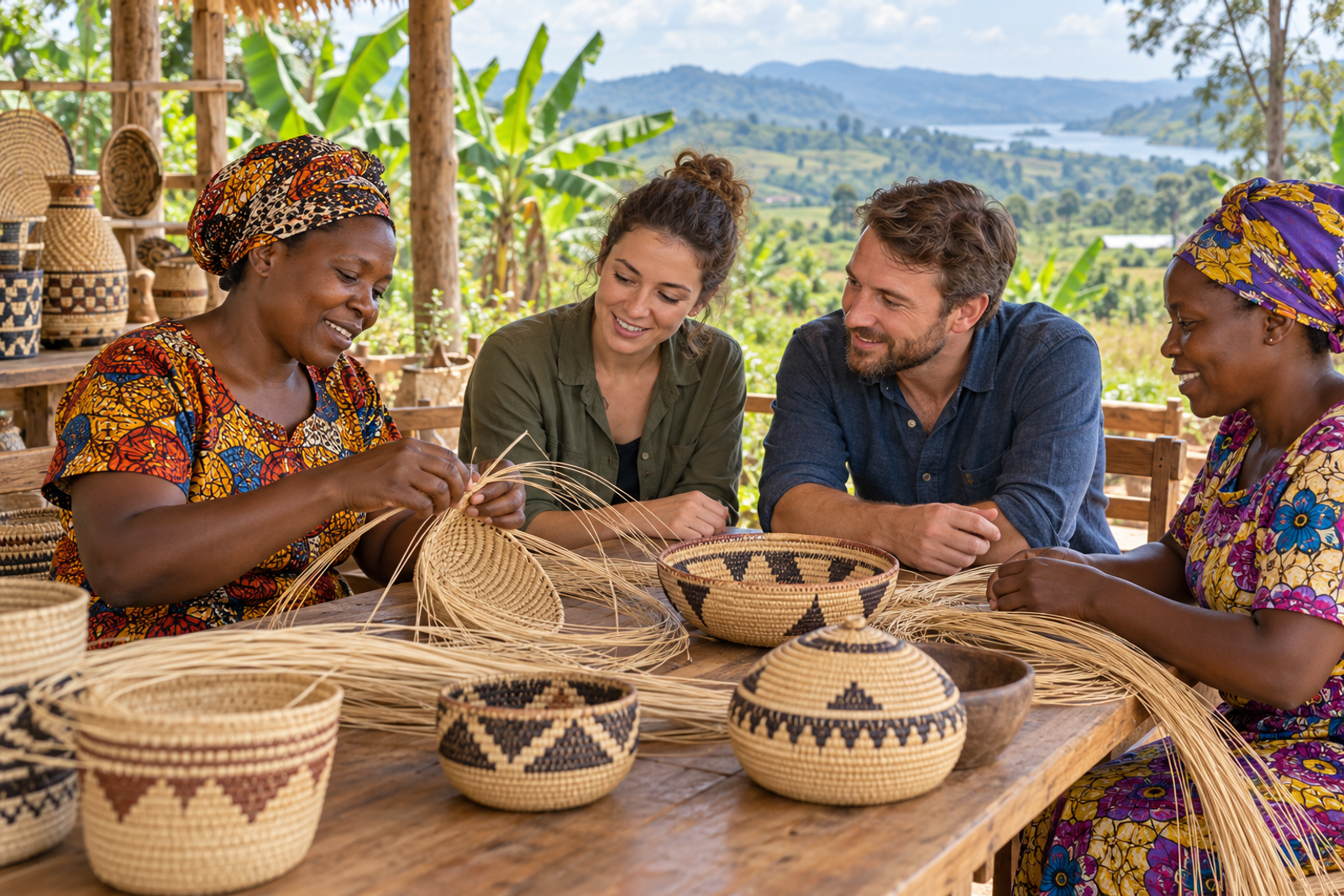
Discover how guided wetland walks, craft demonstrations, food experiences and locally hosted visits can add a personal dimension to your Uganda safari.
Uganda safari community experiences bring another perspective to a journey through forests, wetlands and national parks. Alongside wildlife viewing, time with local hosts can introduce you to livelihoods, skills, food traditions and the relationships between people and the places you visit.
A rewarding experience begins with willing hosts, clear arrangements and enough time to participate respectfully. It should reflect what the hosts choose to share rather than a visitor’s expectation of how a community should look or behave.
Phenom Tours and Travel combines birding, primates, wildlife and community experiences in personalised Uganda itineraries. We discuss proposed visits during planning and confirm the activities included in your quotation.
What Is a Community Experience?
A community experience is a locally hosted activity that gives visitors an opportunity to learn from the people who organise or deliver it.
Depending on the destination and arrangements, this might involve a guided walk, craft demonstration, food preparation session, conversation with local hosts or an introduction to community conservation.
The details matter more than the label. Ask who leads the visit, what it involves, how long it lasts and which services your payment covers.
Not every activity described as a cultural visit has the same format or community arrangements.
Bigodi: Connecting Birdwatching and Community Conservation
Bigodi, near Kibale, offers an opportunity to consider how wetland conservation and local livelihoods can connect.
A guided wetland walk can combine birdwatching with an explanation of the surrounding environment and conservation work. A separate village or cultural activity may also be available, depending on the provider and programme booked.
Do not assume that a wetland walk automatically includes every community activity advertised in the area. Confirm the specific experience in your itinerary.
The United Nations Development Programme’s case study on the Kibale Association for Rural and Environmental Development describes an example of community ecotourism linking guided wetland visits, handicrafts and conservation.
Our 14-Day Uganda Birding, Primates, Wildlife and Community Safari includes Bigodi within a broader journey through Uganda’s natural environments.
Craft Demonstrations and Locally Made Products
A craft visit can provide time to learn about materials, techniques and the people behind a finished product.
Depending on the hosts, demonstrations might involve weaving, basket-making or another locally practised skill. The activity should be confirmed in advance rather than assumed available at every stop.
Ask before photographing people at work. If you want to buy an item, clarify the price directly and allow time for a respectful conversation.
Participation does not have to end with a purchase. Paying the agreed demonstration or guiding fee is also part of recognising the hosts’ time and work.
Food and Farming Experiences
Food can offer a practical introduction to everyday life, agriculture and hospitality.
Where suitable arrangements are available, a visit might explore ingredients, a small farm or a food preparation activity led by local hosts.
Tell your operator about dietary restrictions and allergies before booking. Confirm whether food tasting or a meal is included, and whether the activity involves walking, cooking or observation.
Avoid assuming that a demonstration represents how every household in Uganda eats or lives. Experiences are specific to the hosts and place you are visiting.
Uganda’s official diplomatic information on people, culture and food provides broader background on the country’s cultural diversity.
Guided Village and Countryside Walks
A locally guided walk can help you understand places that might otherwise pass by through a vehicle window.
Your host may explain local land use, crops, buildings, history or community life, according to the agreed route and their knowledge.
The walk should use appropriate access arrangements. Private homes, gardens and workplaces are not automatically open to visitors.
Ask about the distance, terrain and expected duration before confirming. Let us know if you need a shorter route, more breaks or assistance with uneven ground.
Community Experiences Around Bwindi
A visit around Bwindi can complement gorilla trekking with a different kind of learning.
Activities depend on the trekking sector, accommodation location and hosts available. Discuss the specific programme rather than booking a general “Bwindi community visit” without further details.
Where an experience is presented as Batwa-led or associated with another named community, ask who organises it, who participates and how the hosts are compensated.
Allow time for the visit on a suitable day. Scheduling it immediately after a gorilla trek can be uncertain because the trek’s finishing time varies.
Give Community Activities Their Own Time
Community experiences work best when they are treated as part of the journey rather than an extra stop to squeeze into a crowded afternoon.
A conversation, demonstration or guided walk needs time for introductions, questions and participation.
For travellers interested in both birding and local perspectives, our 15-Day Uganda Birding and Wildlife Safari includes opportunities to discuss locally guided experiences alongside its nature activities.
Check your confirmed itinerary to see which visits are included and which would require an additional arrangement.
Questions to Ask Before Booking
Ask your operator:
- Who organises and leads the experience?
- What activities are included?
- How long does the visit usually take?
- Is the fee included in the safari quotation?
- Are meals, demonstrations or purchases charged separately?
- What photography permissions apply?
- Are there walking or access considerations?
- How are the hosts paid for their time and services?
Clear answers help you choose an experience that matches your interests and expectations.
Photography, Gifts and Donations
Ask permission before photographing identifiable people. Respect a refusal without pressuring the person or trying to take the photograph indirectly.
Avoid distributing sweets, money or gifts to children during visits. If you want to contribute, discuss an appropriate arrangement with the organiser or community representatives.
Donations should be voluntary and transparent. Ask what a proposed contribution supports rather than assuming that every visitor payment funds a particular project.
School or childcare visits should not be treated as routine sightseeing stops. Choose activities designed around the hosts’ consent, privacy and everyday responsibilities.
What Does Responsible Participation Look Like?
Arrive willing to listen and follow the hosts’ guidance.
Dress appropriately for the activity, keep to agreed access areas and ask before handling tools, entering buildings or joining work.
Avoid describing people as attractions. A hosted experience is an exchange with individuals who have their own interests, schedules and choices about what to share.
Keep expectations realistic. An experience can be valuable without including a performance, ceremony or access to someone’s home.
Combine Communities With Birds, Primates and Wildlife
Community activities can add variety between forest walks and wildlife excursions.
A longer itinerary may provide space for a countryside visit, locally guided walk or food experience without reducing the time allocated to your main wildlife interests.
Our 20-Day Uganda Grand Primate and Wildlife Safari includes time around Kibale’s crater lake countryside alongside primate and wildlife destinations.
Discuss your preferred balance during planning. A traveller interested in conversation and local food may want different arrangements from someone focused on craft skills or community conservation.
Are Community Experiences Suitable for Families?
Some hosted activities can suit families, but suitability depends on the specific programme, children’s ages and the hosts’ arrangements.
Ask about walking distances, tools, food preparation, seating and the amount of time spent listening or participating.
Prepare children to ask permission before taking photographs and to follow the host’s instructions. Explain that the visit takes place in someone else’s community or workplace.
There is no need to include every possible activity. One well-chosen visit can be more meaningful than several rushed stops.
Plan a Uganda Safari With Local Perspectives
Tell Phenom Tours and Travel which experiences interest you: birding, primates, wildlife, community conservation, food, crafts or guided countryside walks.
Share your travel dates, group size, accommodation preference and available time. Let us know about dietary requirements, mobility needs or other considerations relevant to the proposed activities.
We will discuss suitable options and identify the agreed visits, services and costs in your quotation.
Email: info@phenomtoursandtravel.com
WhatsApp: +256 764 388 326